
Waste to Energy
Waste to Energy (WTE), is used to describe technologies that convert non-recyclable waste into usable forms of energy, and can occur through a number of processes such as incineration, pyrolysis anaerobic digestion and landfill gas recovery. Currently, incineration is the only WTE technology that is economically viable and operationally feasible at commercial scale.
And as thermal WtE technologies, emit nearly all of the carbon content in the waste as CO2, the use of equipment to prevent the release of emissions into the environment, is critical if they are to form part of any net-zero emissions policy.
However, whilst WtE can play a crucial role in both waste management and sustainable energy production challenges remain, particularly in ensuring that emissions from WtE plants, are properly managed to minimize environmental impact.
By-product Usage
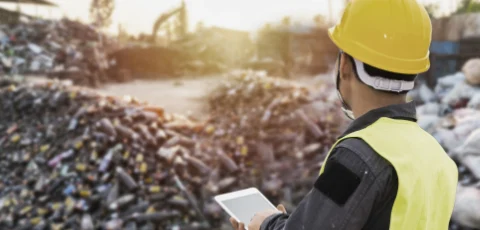
By-Products WtE projects produce, are now an integral part of any economic imperative for the building of a WtE facility itself. Most now produce Syngas used in numerous products from transport fuels to fertilisers, Biomethane for heat and power to generate electricity as a cleaner alternative to either petrol or diesel, or Bottom Ash (or IBA) recycled as a secondary aggregate in a variety of construction applications, and almost all can be monetised.
Waste Audits
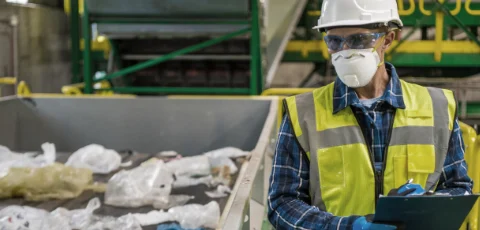
Waste treatment depends on infrastructure, and decisions are often made for the long term. Our waste audits evaluate waste streams, identify opportunities for reducing costs, plan new collection services and how to maximise income. Data on waste and recycling facilities, together with sophisticated modelling is applied to help you decide between treatment options, and develop a strategy for pre-treatment of waste material, if necessary.

Waste to Heat
50% of all energy produced by humanity is lost as heat. Most places that produce large amounts of waste heat are built well away from where the heat could be used, and heat can’t be effcetively transported very far. If we could capture and use this wasted energy it could greatly reduce the amount of energy we need to generate. Our expert specialists can advise on the most effective system design – pre or post construction